May 22, 2026
Understanding the implications of water damage in basements is crucial for maintaining a healthy living environment. Left untreated, this issue can lead to serious mold infestations that pose health and structural risks. As an experienced water damage cleaner, we'll explain why prompt mold remediation is vital and the hidden dangers associated with basement water damage.
The Basics of Basement Water Damage
Basement water damage largely stems from a range of common causes. Poor drainage around the foundation is a significant factor, often leading to the accumulation of water next to or beneath the structure. Issues such as malfunctioning sump pumps or clogged gutters also contribute to water entering basements. Furthermore, aging infrastructure, such as cracked walls and floors, can allow water seepage. According to Ruby Home, 98% of basements in the U.S. will experience some water damage at least once, highlighting the prevalence of this issue.
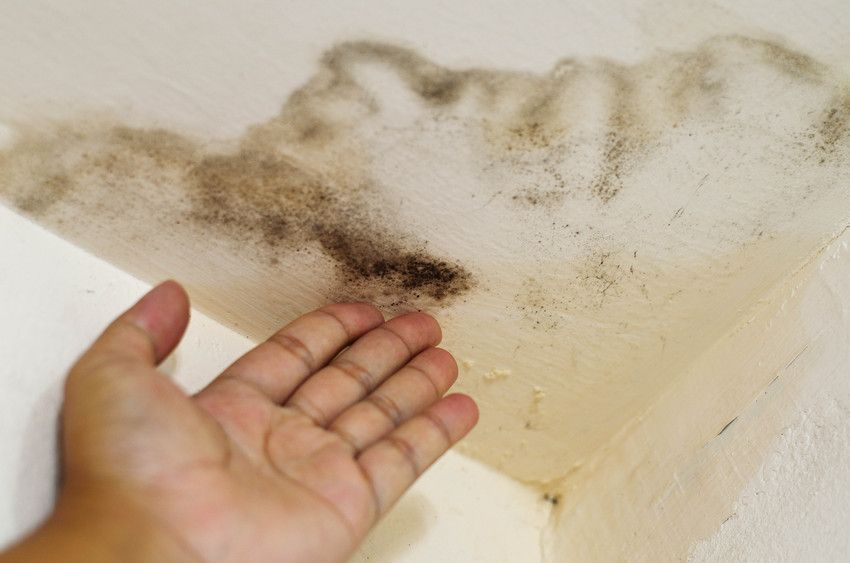
Recognizing signs of water damage early is critical in preventing further deterioration. Common indicators include visible water stains on walls or floors, and the presence of mold, which may appear as green or black surface discoloration. A persistent musty odor in the basement is often a telltale sign of mold or mildew growth. Increased humidity or condensation on windows or walls can also signal potential water issues. Finally, any noticeable swelling or warping of wooden structures suggests prolonged exposure to moisture.
As a top water damage cleaner in the area, we've found that seasonal changes play a significant role in exacerbating basement water issues. During heavy rains in spring or fall, increased hydrostatic pressure can force water through cracks and other openings. Winter brings its own challenges, with the freeze-thaw cycle causing expansion and contraction in materials, potentially worsening existing structural vulnerabilities. Flooding is most likely to occur after snow melts rapidly, often overwhelming drainage systems meant to manage water flow. The dry spells of summer may lull homeowners into a false sense of security, making proactive measures essential year-round.
Water damage can manifest in both immediate and long-term consequences if not addressed promptly. Immediate effects often include unsightly stains, unpleasant odors, and potential electrical hazards. Over time, these issues can escalate, resulting in severe mold infestations that compromise indoor air quality and health. Structural concerns may also surface as wood rots, metal rusts, and foundational elements weaken. Investing in timely remediation can significantly curtail these escalating damages, saving property owners from costly repairs.
The Science of Mold Growth
Mold proliferation in basements occurs when specific environmental conditions converge. Essential factors include moisture, suitable temperatures, and organic material as a food source. Water from leaks or humidity often supplies the moisture that mold needs to thrive. Temperatures between 40 and 100 degrees Fahrenheit are ideal for most mold species. Organic materials, such as wood, drywall, and paper, provide ample nutrients for mold colonies to expand, emphasizing the importance of controlling these variables to inhibit mold growth.
Several mold species are commonly found occupying basement environments. Stachybotrys, also known as black mold, is infamous for its association with water damage and potential health risks. Aspergillus and Penicillium are frequently encountered as well, both capable of thriving in damp, low-light settings. Each of these molds requires different conditions to flourish but shares a reliance on moisture for survival. Identifying the specific mold type is crucial, as it informs targeted remediation strategies and potential health concerns.
Mold growth follows a distinct cycle that typically begins with the introduction of spores into an ideal environment. Once established, spores absorb moisture and begin growing, breaking down and consuming the organic material around them. The mold then enters the colonization phase, spreading across surfaces and releasing new spores into the environment. These spores perpetuate the cycle, finding new locations within the residence to inhabit. Interrupting the mold lifecycle involves disrupting one or more of these critical stages, particularly through moisture control.
Health Risks Associated With Mold Exposure
Mold exposure can result in various respiratory ailments and allergic reactions, impacting household occupants' well-being. Common symptoms include coughing, wheezing, nasal congestion, and itchy or red eyes. Individuals with respiratory conditions or sensitivities are particularly susceptible to these effects. Prolonged mold exposure can aggravate symptoms, leading to more severe health complications. Recognizing these potential risks underscores the urgency of addressing mold issues promptly.
For those with pre-existing respiratory conditions such as asthma, mold exposure can trigger more frequent and severe episodes. Airborne mold spores exacerbate asthma symptoms, leading to increased medication use and healthcare visits. Individuals with immune system deficiencies or chronic respiratory diseases also face heightened vulnerabilities to mold's adverse effects. Creating a mold-free environment is essential for managing these conditions effectively. This involves not only remediation of existing mold but also sustained preventive measures.
Toxic molds, such as Stachybotrys, possess the potential to produce mycotoxins, which pose significant health hazards. These toxins can lead to various health issues, including skin irritation, cognitive impairments, and severe respiratory problems. Long-term exposure to mycotoxins can even involve serious systemic impacts, necessitating healthcare intervention. The presence of toxic molds should therefore be a critical consideration during any mold inspection. Professionals are equipped to identify and address these particularly dangerous strains.
Structural Damage Caused by Mold in Basements
Mold significantly impacts building materials, accelerating degradation processes by feeding on organic content. Wood and drywall, integral to basement structures, are particularly vulnerable to mold's erosive effects. As mold decomposes these materials, it compromises the structural integrity of the affected areas. Over time, this leads to warping, weakening, and potential collapse if not addressed. Recognizing mold's impact on these materials is crucial for maintaining a sound basement structure through timely remediation.
Mold infestations can undermine a property's foundational supports, including beams and joists. As mold contributes to the breakdown of these elements, their load-bearing capacity diminishes significantly. If left untreated, this weakening can result in uneven floors, cracks, and significant safety concerns. Addressing water issues early is a critical component of foundation preservation and home safety. Regular inspections assist in identifying and mitigating potential threats to the structural integrity of a house.
Insulation and drywall, often found in basements, are highly susceptible to moisture intrusion and subsequent mold development. When mold infests these materials, it reduces insulation's effectiveness, causing energy inefficiency and increased utility costs. Crumbling, stained insulation, and drywall demand immediate attention, requiring removal and replacement to halt further mold spread. Timely intervention is essential to prevent greater damage and preserve home comfort. Effective prevention involves ensuring these materials maintain a dry, mold-free state.
The Economics of Mold Remediation
The financial considerations of mold remediation often hinge on balancing initial expenses against long-term savings. Upfront costs for professional remediation can be substantial, yet they pale compared to potential expenses associated with unchecked mold spread. Prompt intervention can prevent further damage, reducing future repair costs and safeguarding home investment. Over time, these savings can accumulate significantly, validating the initial outlay for comprehensive remediation. Mold prevention likewise represents a cost-effective strategy in maintaining a mold-free home environment.
Insurance policies often differ regarding coverage for water damage and mold remediation, necessitating careful review by homeowners. Standard policies typically cover sudden and accidental damage, but not if caused by neglect or poor maintenance. Homeowners should verify whether mold-specific coverage, often available as an add-on, is included. Understanding the nuances of one's policy can inform effective financial planning for potential basement water issues. Being informed strengthens a homeowner's ability to mitigate expenses related to mold-related incidents.
Basement water damage is not just a superficial concern; it invites hidden dangers, notably mold, that can impact health and home integrity. Prompt and effective remediation is essential to avoid the severe consequences outlined in this article. Recognizing the signs and responding swiftly not only safeguards your health but also preserves the structural integrity and value of your home. For a professional
water damage cleaner you can count on, contact Clean Construction & Building Services today.