January 26, 2026
Owning rental and investment homes can be a powerful way to build long-term wealth, generate cash flow, and diversify a financial portfolio. However, the benefits of real estate ownership come with ongoing responsibilities that require careful planning and consistent oversight. One of the most important responsibilities is implementing effective strategies that preserve the value of the property, ensure tenant satisfaction, and reduce unexpected repair costs. A thoughtful approach to property maintenance not only protects the physical structure but also strengthens tenant relationships and supports steady returns over time. When investors establish systems, budgets, and expectations early, they create a foundation that allows properties to operate smoothly while minimizing stress and emergencies.
Effective maintenance involves more than reacting to problems when they occur. It requires foresight, organization, and a proactive mindset. From routine inspections to long-term upgrades, every decision contributes to the overall health of the property and the experience of the people who live there. Understanding how to manage contractors, schedule seasonal care, monitor wear and tear, and communicate clearly with tenants is essential. By approaching property maintenance as an ongoing management strategy rather than a sporadic task, owners are better positioned to sustain both profitability and quality living environments.
Establishing a Preventive Maintenance Plan
A strong preventive maintenance plan is one of the most reliable ways to lower long-term repair expenses and protect building systems. Rather than waiting for appliances, plumbing, or structural elements to fail, owners can schedule regular inspections and servicing. This approach supports property maintenance goals by identifying small concerns early, when they are easier and less expensive to fix. Preventive planning typically includes tasks such as checking HVAC systems seasonally, flushing water heaters, inspecting roofs after storms, and testing smoke and carbon monoxide detectors.
Creating a written maintenance calendar can help owners stay organized. Digital reminders, shared management software, or professional maintenance teams can keep track of recurring tasks. The plan should also outline who is responsible for specific duties—whether they will be handled personally, assigned to a property manager, or outsourced to specialized contractors. When preventive maintenance becomes part of an annual routine, investments stay in better condition, tenants experience fewer disruptions, and unexpected emergencies become less frequent.
Equally important is building flexibility into the plan. Weather changes, tenant turnover, or new building codes may require adjustments. Viewing preventive care as an evolving system ensures that property maintenance continues to align with real-world conditions rather than remaining static or outdated.
Coordinating Tenant Communication and Expectations
Clear communication plays a crucial role in how well maintenance efforts succeed. Tenants need to understand what they are expected to report, how to submit requests, and approximately how long repairs typically take. When communication channels are easy to use, minor issues are reported quickly instead of turning into costly problems. This communication structure supports stronger property maintenance outcomes across the entire home.
A written welcome document or tenant handbook can outline procedures for emergencies, routine requests, and after-hours concerns. Owners should encourage tenants to notify them promptly about leaking faucets, malfunctioning appliances, or signs of moisture. Regular check-ins—such as annual surveys or inspection notices—can reinforce a sense of collaboration rather than confrontation. Tenants who feel heard are more likely to treat the property responsibly and to remain longer, which reduces turnover costs.
At the same time, owners should communicate boundaries. Providing clear timelines about what constitutes urgent versus non-urgent repairs helps manage expectations. Transparent communication builds trust while maintaining accountability, ensuring that property maintenance supports both investment performance and tenant well-being.
Managing Professional Services and Contractors
Even diligent owners often require outside help to manage specialized repairs and improvements. Establishing relationships with reliable contractors before emergencies occur can significantly streamline the process. Having a vetted list of electricians, plumbers, roofers, and general maintenance professionals reduces downtime when something goes wrong. Consistency in vendors also supports more predictable pricing and better quality control, strengthening ongoing property maintenance efforts.
Before hiring, owners should verify licensing, insurance coverage, references, and availability. Written contracts are essential for defining scope, costs, and timelines. Keeping records of previous repairs allows future contractors to diagnose issues more efficiently. In addition, property managers can serve as valuable partners by coordinating schedules, supervising work, and ensuring compliance with local regulations.
Routine services—such as landscaping, pest control, and seasonal system tune-ups—should be scheduled in advance whenever possible. Investing in dependable professionals may require upfront costs, but it pays off through improved property maintenance reliability and fewer large-scale breakdowns over time.
Budgeting for Ongoing and Long-Term Upgrades
Financial planning is central to sustaining effective maintenance. Without a dedicated budget, owners may delay necessary repairs or upgrades, risking more expensive damage later. A thoughtful maintenance budget includes both recurring expenses and reserves for major replacements. Routine items—like minor plumbing repairs, seasonal servicing, and cleaning—should be predictable line items. Larger replacements, such as roofs, HVAC systems, or windows, should be anticipated over multi-year timelines.
Many owners allocate a percentage of rental income specifically for property upkeep. Setting aside these funds prevents maintenance from competing with personal expenses or being overlooked. When reserves are available, decisions can be made strategically instead of reactively. This structured financial approach reinforces consistent property maintenance and stabilizes long-term operating costs. Another consideration is evaluating upgrades that improve efficiency or tenant satisfaction. Energy-efficient appliances, better insulation, and durable flooring materials can reduce operating costs while making the property more appealing.
Prioritizing Health, Safety, and Cleanliness Standards
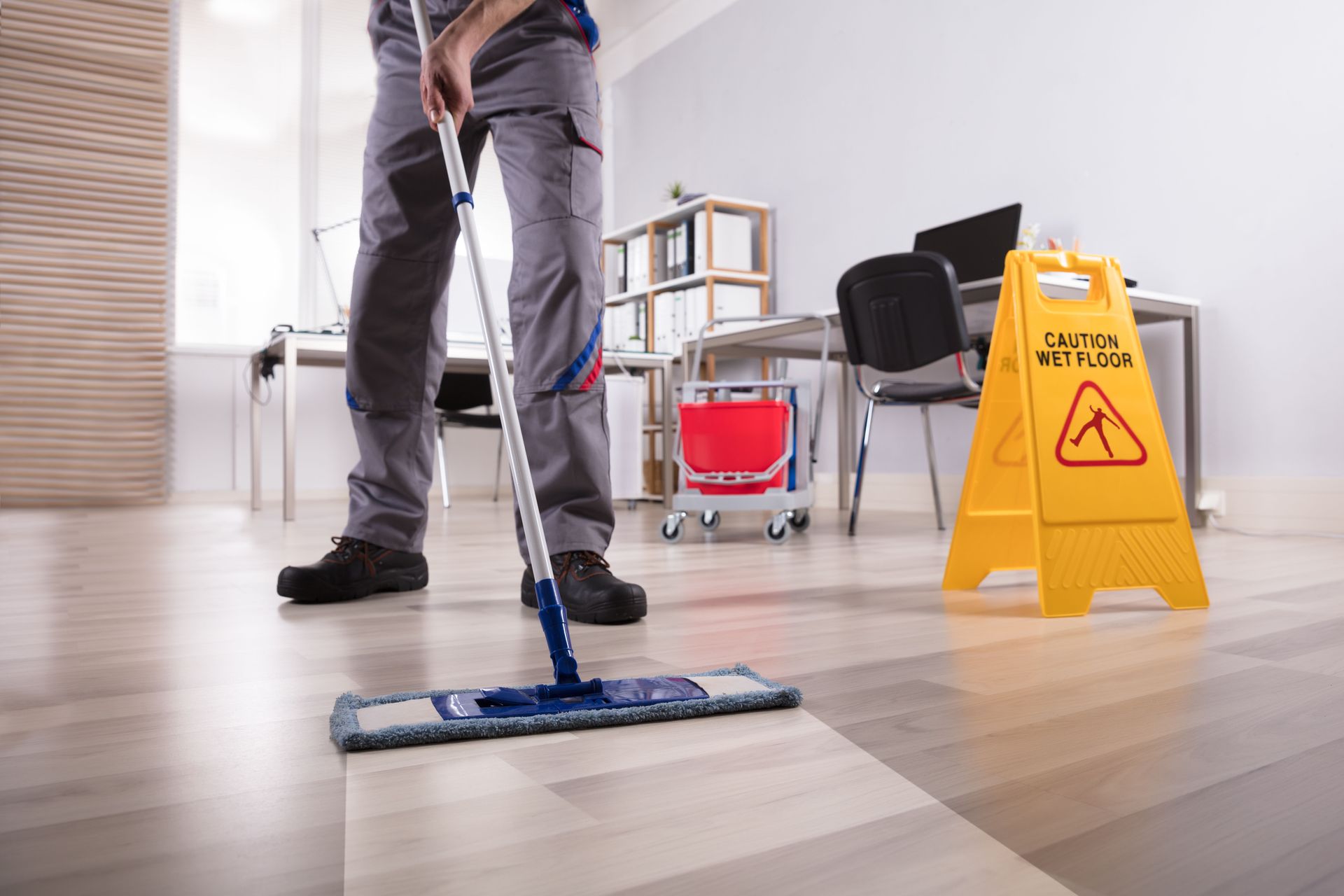
Protecting tenant health and safety must remain a top priority. Regular inspections of smoke detectors, railings, stairways, and electrical systems are essential. Addressing moisture or ventilation problems promptly can prevent mold growth, which may create health risks and expensive remediation. Routine cleaning standards also play an important role in maintaining attractive and sanitary living environments.
Here, consistent scheduling becomes especially useful. According to The Spruce, carpets and rugs should be thoroughly cleaned at least every 18 months. Incorporating this type of guidance into maintenance plans helps extend flooring life, reduce allergens, and present a well-cared-for home. Similar schedules can be applied to other areas, such as deep-cleaning kitchens, refreshing paint, or maintaining exterior walkways.
Conducting Periodic Inspections and Documentation
Routine inspections provide essential visibility into the condition of rental units. Move-in and move-out inspections create baseline documentation that protects both parties by clarifying what damage occurred and when. Periodic inspections during tenancy, conducted respectfully and with proper notice, help identify issues that tenants may not notice or report. These visits support ongoing property maintenance by catching early warning signs such as dripping pipes, failing seals, or damaged shingles.
Thorough documentation is equally important. Photos, checklists, and dated notes offer valuable records if disputes arise or insurance claims become necessary. Organized records also make it easier to track patterns across multiple properties, guiding future budgeting and planning.
Inspections should focus on both interior and exterior elements. Driveways, gutters, exterior paint, and landscaping all contribute to structural stability and curb appeal. By documenting and addressing findings systematically, property maintenance becomes a consistent cycle rather than a reaction to emergencies.
Well-planned maintenance is essential for preserving rental and investment properties, supporting tenant satisfaction, and ensuring long-term financial performance. By combining preventive planning, structured communication, contractor coordination, strategic budgeting, health and safety standards, regular inspections, and adaptable strategies, owners create sustainable systems that protect their investments. Property ownership becomes far less stressful when maintenance is treated as a proactive, organized process rather than a series of crises. Call Clean Construction & Building Services today to schedule your cleaning or building maintenance service.